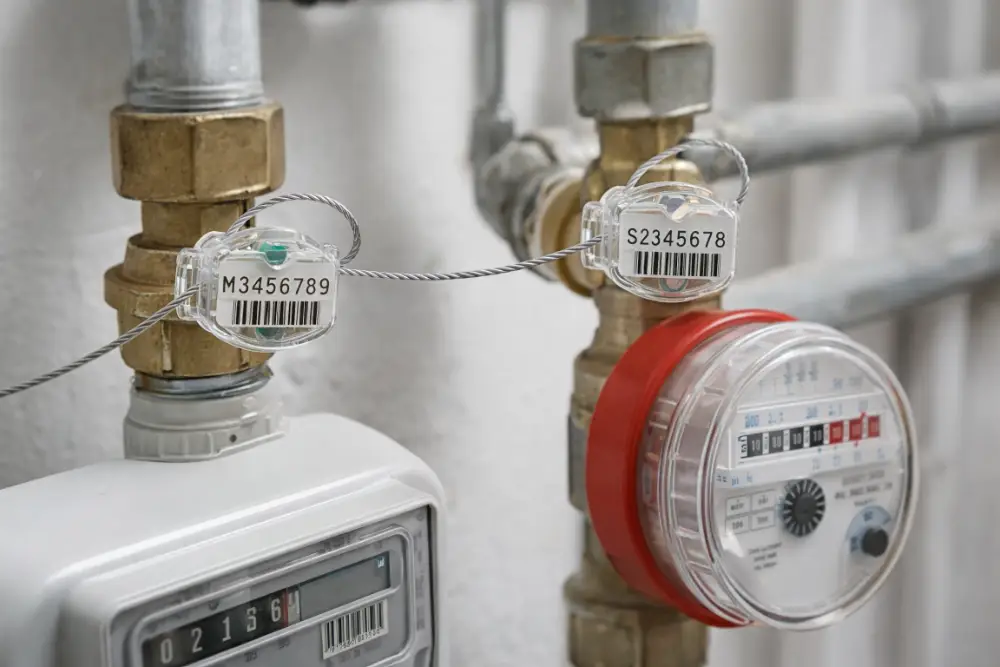
Why are meter seals necessary?
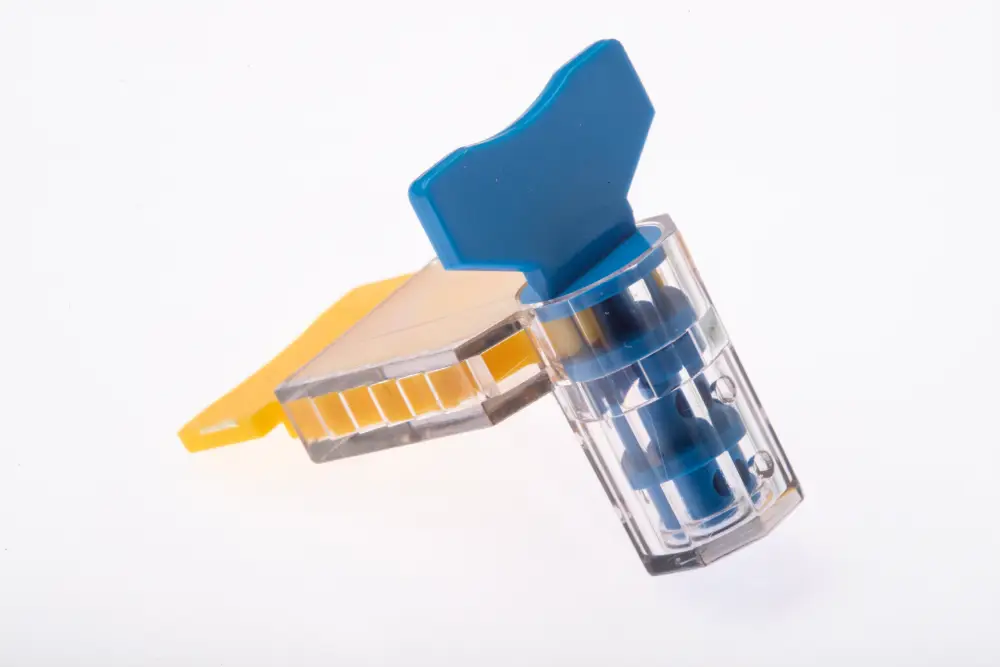
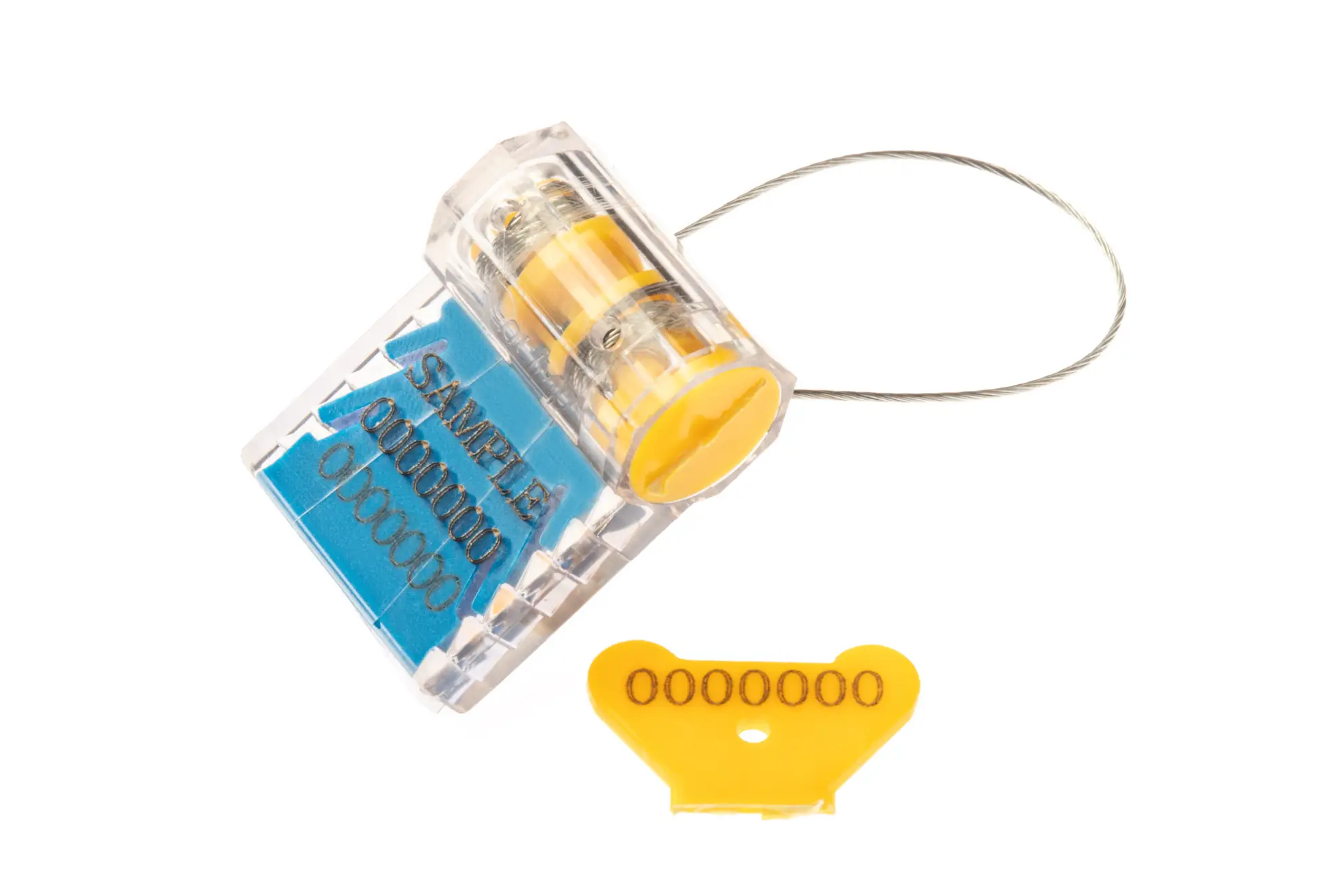
A meter seal for gas, water or electricity is a single-use security device that ensures no one has opened or tampered with the meter without authorisation. Its purpose is not to physically block access, but to leave visible and irrefutable evidence of any unauthorised intervention attempt.
Utility theft through meter tampering remains a significant problem across Europe. Commercial network losses — the difference between energy delivered and energy billed — can exceed 10% in certain areas. Security seals are the first line of defence against these losses, and legislation provides severe penalties for breaking or forging them.
For distribution companies and utility providers, choosing a reliable seal is not optional: it is an operational requirement with a direct impact on revenue and regulatory compliance.
An effective meter seal does not just prevent theft — it provides legally admissible evidence in court.
Types of meter seals
Meter seals fall into specific categories for each type of utility. The main differences lie in the manufacturing material, the locking mechanism and resistance to the environmental conditions specific to each installation.
Gas meter seals — special requirements
Gas meters operate under conditions that impose additional demands on seals: resistance to corrosive gases, extreme temperatures (from -30 C to +60 C in outdoor locations) and UV radiation resistance. A gas meter seal must remain intact for years without inspection.
Essential characteristics of a gas meter seal:
- Material resistant to corrosion and atmospheric chemical agents
- Irreversible locking mechanism that prevents reassembly after breakage
- Unique sequential numbering, resistant to solvents and wear
- Compatibility with standard gas meter fixing points
The MeterLock model (patent no. 4534) was developed specifically for this application, with a patented locking system that makes any opening attempt unambiguously visible.
Water meter seals
Water meters add the challenge of constant exposure to humidity and, in some cases, partial submersion. Conventional materials can degrade rapidly under these conditions, generating false positives — situations where the seal deteriorates from natural causes, not tampering.
A quality water meter seal must provide:
- IP67 or higher water exposure resistance
- Material that does not degrade with prolonged water contact
- Locking mechanism that does not generate false positives from temperature fluctuations or vibrations
- Compatibility with the 15 mm, 20 mm and 25 mm meters most commonly used in Europe
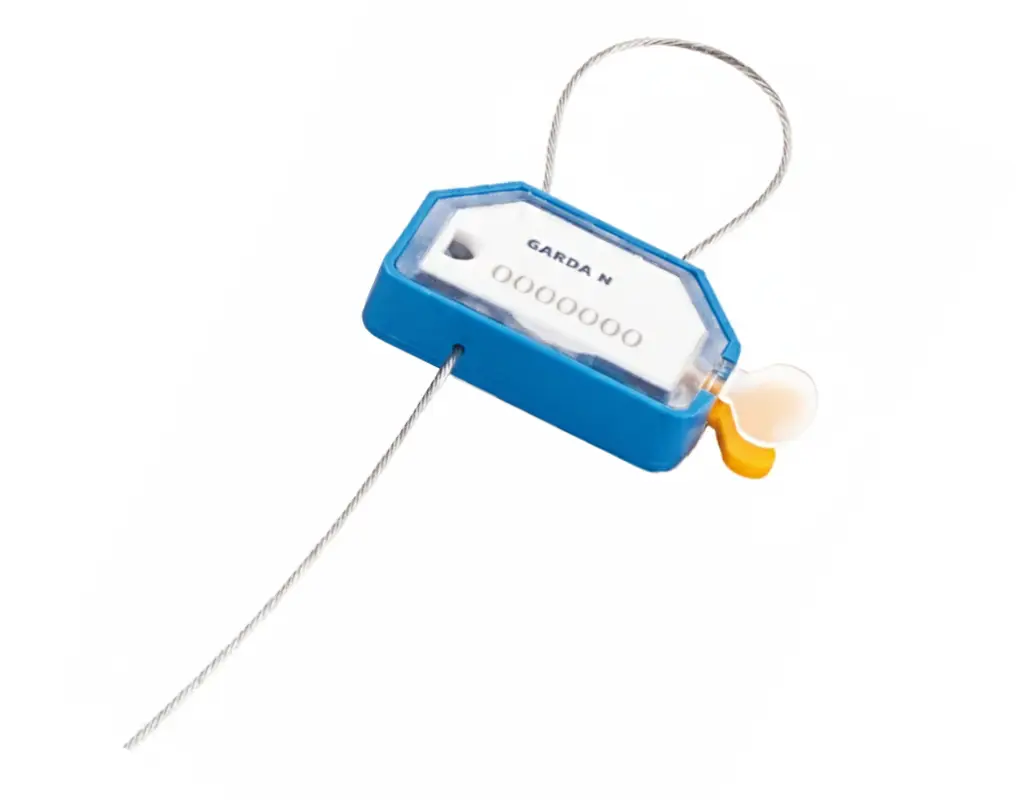
The OliLock (patent no. 4034) and Garda N models are the most widely used solutions for water meters in European distribution networks.
Electricity meter seals
Electricity meters, especially smart meters, require seals with additional characteristics: they must not interfere with electronic components and must allow quick access for reading or scheduled replacement without compromising security.
For electricity meters, seal numbering plays a crucial role in installation audits. Each seal must be linked to a unique number that is recorded in the distribution operator's management system at the time of fitting.
The recommended models for electricity meters are MeterLock for protective covers and UltraLock for access points on distribution boards.
How to correctly install a meter seal
Correct installation is just as important as choosing the right model. A poorly fitted seal can create security gaps or be removed without leaving visible traces.
- Identify the fixing point: each meter type has predetermined sealing points — usually on the cover, the inlet valve or the connecting fittings.
- Check cleanliness: the mounting surface must be clean and dry. Limescale deposits, rust or grease can compromise the fixing.
- Insert the seal: thread the seal through the designated holes and lock it according to the model's instructions — either by pushing (push-lock) or twisting.
- Verify the lock: after fitting, apply gentle pull to confirm the locking mechanism is engaged.
- Record the number: note the seal's serial number in the installation report and enter it into the operator's management system.
The Lockwise team can recommend the exact model for your meter type and usage volume. We deliver across Europe.
What to do if the meter seal is damaged
If you discover that the gas, water or electricity meter seal is broken, damaged or missing, it is important to act immediately and correctly:
- Do not touch the meter. Any subsequent intervention on a meter with a damaged seal may be interpreted as a tampering attempt.
- Photograph the seal's condition and the meter from several angles, with the date and time visible.
- Notify the distribution operator in writing (email or online form). Contact your local utility provider or distribution network operator.
- Request an official inspection and a written report. This document will protect you against any potential claims.
- Do not replace the seal yourself. Fitting an unauthorised seal is illegal and may lead to criminal penalties.
The operator's legal response time varies, but inspections are generally required within a maximum of 5 working days from notification.
Legal framework
Legislation across Europe treats utility meter tampering with severity. The main relevant provisions include:
- National criminal codes: theft of electricity, natural gas or water is a criminal offence in most European countries, carrying fines and potential imprisonment.
- Energy sector legislation: establishes the obligation for consumers to preserve the integrity of seals and metering equipment.
- Regulatory authority rules: national energy regulators issue specific regulations on accepted seal types and sealing/unsealing procedures.
- Distribution company regulations: each distribution operator has its own technical specifications for seals accepted on meters in their network.
For distribution companies, using certified seals and a robust numerical tracking system is essential to support any legal action against consumers who tamper with meters.
Recommended Lockwise products for meters
Lockwise manufactures certified seals for gas, water and electricity meters, used by distribution operators across Europe. Our models are available with full customisation: company logo, sequential numbering and barcode or QR codes.
| Model | Main application | Key feature | Patent |
|---|---|---|---|
| MeterLock | Gas and electricity meters | Patented irreversible locking system, UV resistant | No. 4534 |
| Garda N | Water meters, distribution boards | Reinforced polypropylene, 150 kg pull strength, multicolour | — |
| OliLock | Water and gas meters | Compact design, resistant to humidity and extreme temperatures | No. 4034 |
| LightLock | Meters with frequent access | Quick application, low cost, ideal for high volumes | — |
| UltraLock | Electrical panels, critical access points | High security, superior mechanical strength | — |
All models are available with minimum order quantities adapted to the needs of distribution operators. Standard delivery time in Europe is 5-10 working days, with express shipping options for urgent orders.
Conclusion
A meter seal is not a minor accessory — it is a security element with direct legal, financial and operational implications. Choosing the right model, correct installation and rigorous management of numerical records are the three pillars of an effective meter protection system.
If you are a distribution operator, utility provider or manage a fleet of meters, the Lockwise team can help you identify the optimal solution for each meter type and installation environment. Contact us for a personalised quote and free samples.